

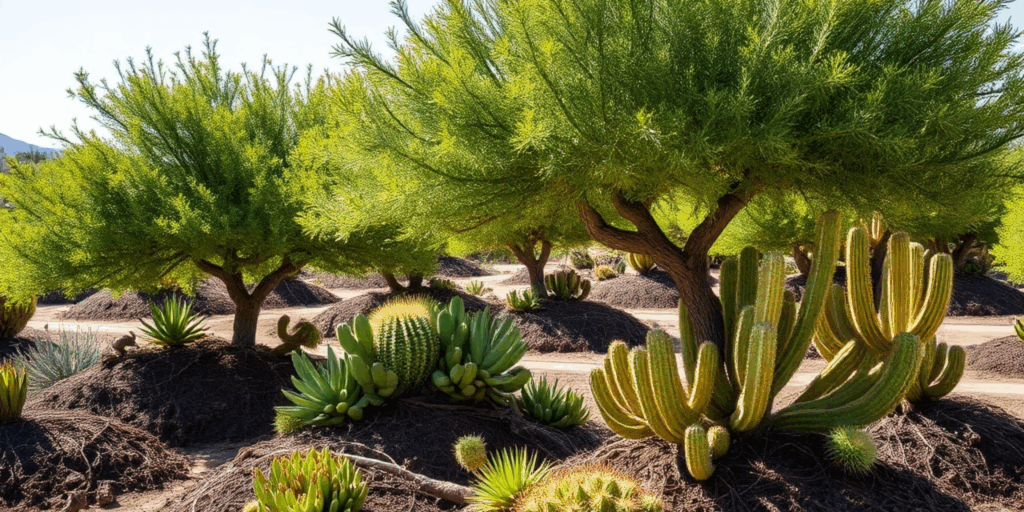
Organic waste processing is emerging as a vital strategy for environmental sustainability, especially in arid regions like desert landscapes. With climate change intensifying and water scarcity becoming more prevalent, managing organic waste effectively not only reduces environmental harm but also enhances soil health and biodiversity in these fragile ecosystems.
Environmental Benefits of Organic Waste Processing
Organic waste—comprising food scraps, yard trimmings, and biodegradable materials—makes up over 50% of municipal solid waste in landfills. When left to decompose anaerobically, it releases methane, a greenhouse gas 25 times more potent than CO₂. Composting and other organic waste processing methods like anaerobic digestion and vermiculture help mitigate these emissions while producing nutrient-rich soil amendments. [epa.gov]
In desert climates, such as those found in the American Southwest or the UAE, composting is particularly beneficial. It improves soil structure, enhances moisture retention, and reduces the need for chemical fertilizers. Studies show that composting organic waste in desert soils can significantly increase crop yields and reduce soil pH, making the land more fertile. [thegreenpl…utions.com] [ijsra.net]
Organic Waste and Desert Ecology
Desert soils are typically low in organic matter and nutrients. By integrating compost derived from organic waste, these soils can be revitalized. This not only supports plant growth but also contributes to carbon sequestration, helping combat climate change. [farmlandse…cesinc.com]
Moreover, organic waste processing aligns with circular bioeconomy principles, turning waste into valuable resources like biochar and bioplastics. These innovations are especially relevant in desert regions where traditional waste disposal methods are inefficient and environmentally damaging. [mdpi.com]
Best Plants for Desert Gardens and Their Environmental Impact
Incorporating native and drought-tolerant plants into desert gardens complements organic waste processing by creating resilient ecosystems. Here are some top choices:
Cacti
- Saguaro (Carnegiea gigantea): Stores water in its pleated stem and provides habitat for birds and mammals.
- Barrel Cactus (Ferocactus spp.): Thrives in rocky soils and blooms with vibrant flowers.
- Prickly Pear (Opuntia spp.): Offers edible fruit and pads, supports pollinators, and stabilizes soil.
Succulents
- Agave (Agave americana): Known for its architectural form and water-storing leaves; attracts beneficial insects. [thegardenm…gazine.com]
- Aloe Vera: Medicinal properties and minimal water needs make it ideal for xeriscaping. [plantisima.com]
Trees
- Palo Verde: Its green bark photosynthesizes, and deep roots access groundwater.
- Mesquite: Provides shade, improves soil nitrogen, and supports wildlife.
Shrubs and Groundcovers
- Creosote Bush (Larrea tridentata): Highly drought-tolerant and emits antimicrobial compounds.
- Desert Marigold: Adds seasonal color and attracts pollinators.
- Red Yucca (Hesperaloe parviflora): Offers striking red blooms and thrives in poor soils. [forestry.com]
Conclusion
Organic waste processing is a powerful tool for enhancing desert landscapes. When combined with native desert plants, it fosters biodiversity, improves soil health, and contributes to climate resilience. By embracing these sustainable practices, communities in arid regions can transform waste into ecological wealth.
