

Composting is a cornerstone of sustainable gardening, and worms—especially earthworms—are the unsung heroes of this transformative process. These natural decomposers play a crucial role in breaking down organic waste, enriching the soil, and accelerating the composting process. Whether you’re new to composting or a seasoned gardener, understanding how worms contribute to soil health can elevate your gardening game and promote eco-friendly practices.
The Biological Role of Worms in Composting and Decomposition
Worms are essential to the composting process. As they consume dead plant material and organic waste, earthworms digest and break down complex compounds into simpler, more usable nutrients. This biological activity introduces beneficial microbes into the compost, thereby enhancing microbial diversity and accelerating the decomposition process. Worms essentially act as biological catalysts, turning food scraps and yard waste into nutrient-rich compost that supports healthy plant growth.
Soil Aeration and Structure: Worms at Work in Composting Systems
In addition to their digestive contributions, worms improve soil structure through their burrowing behavior. These tunnels enhance soil aeration, allowing oxygen to reach plant roots and aerobic microbes that are crucial for composting. Improved water infiltration and nutrient distribution are direct benefits of worm activity, making them indispensable in both garden beds and compost bins.
Vermicomposting: A Superior Composting Method Using Worms
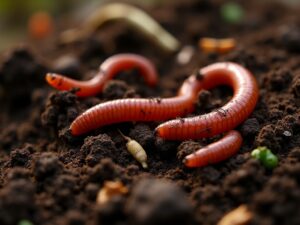
Vermicomposting is a specialized form of composting that uses red wigglers (Eisenia fetida) to break down organic material more efficiently. These worms thrive in controlled composting environments and rapidly convert kitchen scraps, paper waste, and yard debris into high-quality compost. Vermicomposting is faster and cleaner than traditional composting methods, producing worm castings that are rich in nutrients and beneficial microbes.
Worm Castings: The Gold Standard in Organic Composting
Often referred to as “black gold,” worm castings are the end product of vermicomposting and are considered one of the finest organic fertilizers available. Packed with nitrogen, phosphorus, potassium, and microbial life, worm castings improve soil texture, boost water retention, and enhance nutrient availability. Incorporating worm castings into your composting routine leads to healthier plants, stronger root systems, and more vibrant gardens.
Sustainable Gardening Begins with Composting and Worms
By incorporating worms into your composting strategy, you can reduce household waste, naturally enrich your soil, and support a thriving garden ecosystem. Whether through traditional composting or vermicomposting, worms offer a low-maintenance, high-impact solution for sustainable gardening and soil regeneration.
Further Reading:
- Learn more about earthworm biology in Biology and Ecology of Earthworms by Edwards & Bohlen. 2. Explore the role of decomposers in Use of Decomposers in Waste Recycling by Hartenstein.
